How Can Energy-Efficient Home Design Reduce Long-Term Costs?
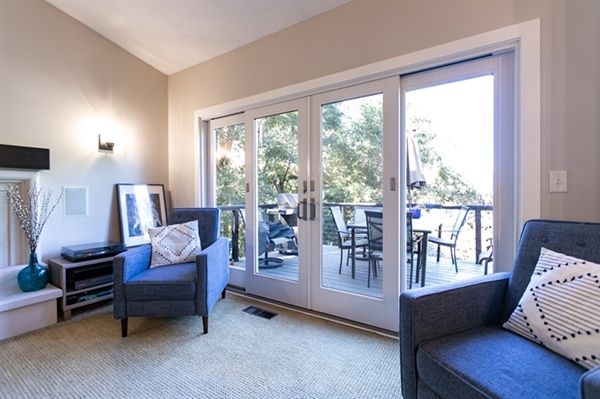
Energy-efficient home design has become one of the most valuable investments for Minnesota homeowners seeking to reduce long-term costs while improving comfort. With advances in construction methods, smart technologies, and sustainable materials, building or remodeling with efficiency in mind can significantly lower utility bills, increase property value, and create a healthier indoor environment. In a state with cold winters and humid summers, energy-conscious design plays a critical role in maintaining year-round performance.
This article explores how energy-efficient home design reduces long-term costs, focusing on insulation, windows, HVAC systems, renewable materials, tax incentives, and maintenance advantages. Drawing from the expertise of Higgins Construction, the following sections outline proven strategies that balance sustainability, comfort, and affordability in Minnesota homes.
What Are the Most Effective Insulation and Window Upgrades?
Proper insulation and high-performance windows form the foundation of any energy-efficient home. In Minnesota, where temperature extremes can strain heating and cooling systems, advanced insulation materials like spray foam, cellulose, and rigid foam boards help reduce air leakage and maintain consistent indoor temperatures. Closed-cell spray foam, for example, offers superior air sealing and moisture resistance—essential for basements and attics.
Upgrading to double- or triple-pane windows with low-emissivity (Low-E) coatings minimizes heat loss in winter and heat gain in summer. Gas-filled panes, especially those using argon or krypton, further enhance thermal performance. Proper window placement also contributes to passive solar heating, capturing natural sunlight during colder months while reducing reliance on mechanical systems.
Higgins Construction will incorporate these upgrades into remodels and new builds, ensuring each home is optimized for Minnesota’s climate. Quality insulation and window systems reduce long-term energy consumption and improve overall comfort, delivering immediate and measurable savings.
How Does Smart HVAC Technology Improve Energy Management?
Smart HVAC systems have transformed how homeowners manage indoor comfort and energy efficiency. These systems use adaptive algorithms, sensors, and Wi-Fi connectivity to adjust heating and cooling automatically based on occupancy, weather, and preferences. In Minnesota homes, integrating smart thermostats like Ecobee or Nest helps regulate temperature efficiently and reduces unnecessary energy use during seasonal transitions.
Modern HVAC units paired with variable-speed motors, zone control systems, and heat recovery ventilators (HRVs) enhance performance while maintaining superior air quality. HRVs are particularly effective in colder climates, as they retain heat from exhausted indoor air to pre-warm incoming fresh air, minimizing energy waste.
Integrating smart controls during a remodel allows homeowners to combine traditional heating systems with advanced automation. The result is a more responsive, efficient, and cost-effective approach to year-round climate control.
What Renewable Materials Can Be Used in Residential Construction?
Renewable materials are key to sustainable and energy-efficient building design. Options such as bamboo flooring, reclaimed wood, and recycled steel provide durability and environmental benefits without compromising aesthetics. Insulated concrete forms (ICFs) and structural insulated panels (SIPs) further enhance thermal efficiency while reducing waste during construction.
In Minnesota, using locally sourced stone, timber, and recycled products reduces transportation emissions and supports regional economies. Cool roofing materials and high-albedo finishes reflect more sunlight, decreasing cooling demands during warmer months. Interior materials with low volatile organic compound (VOC) content improve indoor air quality and contribute to long-term health benefits.
We integrate renewable and sustainable materials into both remodels and new homes, helping homeowners reduce environmental impact while achieving exceptional energy savings and lasting structural integrity.
How Do Federal and State Energy Tax Credits Apply to Remodels?
Federal and state incentive programs make it more affordable to invest in energy-efficient home improvements. The federal Energy Efficient Home Improvement Credit, renewed under the Inflation Reduction Act, allows homeowners to claim a percentage of costs for qualifying projects, including insulation, HVAC upgrades, and energy-efficient windows. Minnesota also offers state-level rebates through programs such as the Home Energy Rebate Program and incentives from local utilities like Xcel Energy and CenterPoint Energy.
These credits typically cover between 10% and 30% of qualifying expenses, depending on the system type and installation date. Some rebates apply directly to contractors, reducing upfront costs for homeowners. To maximize savings, documentation of equipment ratings, energy audits, and installation receipts is essential during filing.
Homeowners benefit from guidance on available rebates and energy programs, ensuring every qualifying improvement contributes to both short- and long-term financial advantages.
What Long-Term Maintenance Benefits Come from Energy-Efficient Design?
Beyond immediate cost savings, energy-efficient home design reduces long-term maintenance demands. Advanced insulation and air-sealing techniques protect structural components from moisture damage, while efficient HVAC systems operate under less stress, extending equipment lifespan. Durable materials such as metal roofing and composite siding require less frequent replacement and resist environmental wear common in Minnesota’s seasonal climate.
Efficient homes also maintain more stable interior humidity levels, protecting flooring, cabinetry, and finishes from warping or cracking. Improved ventilation reduces mold growth and minimizes allergens, contributing to a healthier living environment with lower maintenance costs over time.
By implementing energy-efficient design principles during remodeling projects, Higgins Construction helps homeowners create durable, sustainable, and low-maintenance homes that deliver comfort and savings year after year.
Building a Sustainable Future with Higgins Construction
Energy-efficient home design combines smart technology, renewable materials, and strategic planning to achieve lasting comfort and reduced operating costs. Higgins Construction specializes in sustainable remodeling and new home projects throughout Minnesota, guiding clients through design choices that enhance efficiency and long-term value. Their comprehensive approach ensures every build meets modern performance standards while aligning with environmental goals.
Located in Hopkins and serving the Twin Cities, Higgins Construction provides full-service remodeling and energy-efficient construction solutions. For more information on improving your home’s performance or qualifying for energy-saving incentives, call 612-991-9151 or contact us today.