How Do Home Additions Impact Property Value in Minnesota’s Housing Market?
Expanding a home through additions is one of the most effective ways to increase both living space and resale value. In Minnesota’s competitive housing market, where demand for updated and functional homes remains strong, the right type of addition can deliver a significant return on investment. Whether you’re adding a new bedroom, extending the kitchen, or building a multi-level expansion, understanding how these improvements influence property value is essential before construction begins.
This guide examines how home additions impact property value across Minnesota, highlighting which projects yield the highest returns and what homeowners should know before breaking ground. It also explores seasonal construction factors, design challenges in integrating old and new structures, strategies for enhancing energy efficiency, and how local tax assessments adjust after major renovations. With insights from Higgins Construction, this article provides a comprehensive look at the practical and financial aspects of home additions in Minnesota.
Which Types of Additions Provide the Highest Return on Investment?
In Minnesota, certain types of home additions offer stronger returns than others, depending on demand and functionality. Kitchen extensions and primary suite additions rank among the top for increasing property value. Expanding the kitchen creates more usable space and often allows for modern layouts with open-concept designs—an appealing feature for buyers. Similarly, adding or enlarging a master suite with walk-in closets and private bathrooms significantly boosts resale appeal.
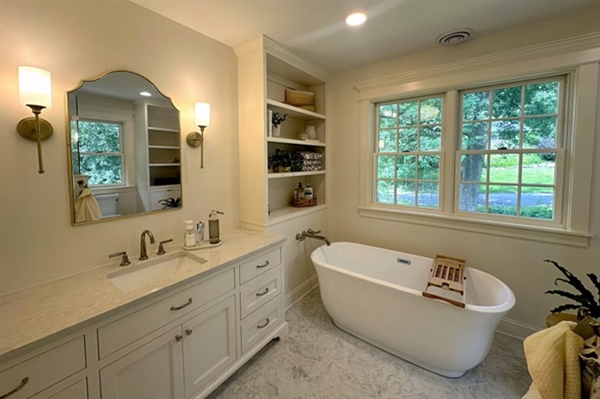
Adding a primary bathroom does not always require a traditional ground-level expansion. In this Minneapolis primary bathroom addition, Higgins converted an existing second-story porch into conditioned living space, creating a walk-in tile shower, heated flooring, and custom storage while reinforcing the structure below.
Another high-ROI project involves finishing basements or adding family rooms that create flexible, multi-purpose living areas. These spaces add square footage without drastically altering a home’s footprint, keeping costs efficient while enhancing value. Sunrooms and outdoor living additions also perform well in Minnesota, offering year-round enjoyment when built with proper insulation and weatherproofing.
Investing in additions that increase both livable space and functional comfort yields the best results. Homeowners often focus on additions that meet long-term lifestyle needs while maintaining architectural consistency, ensuring a balance between aesthetic appeal and financial gain.
How Do Seasonal Conditions Affect Construction Schedules for Additions?
Minnesota’s climate presents unique challenges for construction scheduling. The long, cold winters and freeze-thaw cycles limit exterior work, including excavation, foundation pouring, and framing. Most home addition projects in the region are scheduled for late spring through early fall, when temperatures are more stable and ground conditions allow for consistent progress.
Seasonal planning is critical for staying on schedule. Projects that start in early spring often reach enclosed framing by the onset of winter, allowing interior work—such as plumbing, electrical, and drywall—to continue during colder months. Weather delays can occur if heavy snowfall or prolonged freezes impact material delivery or site accessibility, so project timelines must include contingency periods.
Working with a Minnesota-based builder experienced in local weather conditions ensures that seasonal limitations are anticipated and incorporated into the timeline. We often schedule foundation work and exterior framing strategically to maximize productivity while minimizing weather-related interruptions.
What Are the Design Challenges in Blending Old and New Structures?
One of the most complex aspects of a home addition is ensuring seamless integration between existing and new structures. Architectural alignment, rooflines, materials, and finishes must complement the original design to maintain visual harmony and structural balance. Failure to blend old and new elements can reduce aesthetic appeal and even detract from resale value.
Matching existing materials, such as brick, siding, and trim, requires careful sourcing and craftsmanship. Interior transitions are equally important; ceiling heights, flooring types, and lighting must flow naturally from old to new spaces. In older Minnesota homes, structural alignment can pose challenges due to settling, outdated framing methods, or variations in building codes.
Successful blending requires thorough planning and collaboration between designers, architects, and builders. Using 3D modeling and detailed site measurements helps predict integration issues early. Our experience in restoring and expanding historic and modern homes ensures that additions enhance both function and appearance without compromising character.
That type of integration can be seen in our Dayton ADU home addition, where we connected the existing house, garage, and new private suite into one cohesive structure while giving the ADU its own utilities and climate-control system.
How Can Home Additions Be Planned to Increase Energy Efficiency?
Energy efficiency is a top priority for Minnesota homeowners, especially with the state’s temperature extremes. Planning an addition provides an opportunity to incorporate modern insulation materials, energy-efficient windows, and advanced HVAC systems that reduce long-term operating costs. Positioning new spaces to maximize passive solar gain can also improve comfort while cutting heating expenses.
Using continuous insulation, sealed air barriers, and high-performance glazing minimizes heat loss during Minnesota’s winters. Radiant floor heating and smart thermostats further improve energy efficiency while maintaining even temperature distribution. Builders integrate these systems into new additions to ensure optimal performance alongside existing structures.
Energy-conscious design also extends to lighting and ventilation. Incorporating LED fixtures, energy recovery ventilators, and natural light through strategically placed windows enhances both comfort and sustainability. This approach helps homeowners achieve efficiency goals without compromising style or comfort.
How Do Local Property Tax Assessments Change After Major Home Expansions?
Major home additions almost always affect local property taxes. In Minnesota, county assessors reevaluate properties after substantial improvements are completed. The assessed value typically increases based on the added square footage, upgraded finishes, and overall impact on market value. This reassessment can lead to a higher annual property tax bill.
The increase depends on the type and size of the addition. Functional expansions, such as a new bedroom or additional bathroom, generally raise assessments more than non-habitable spaces like garages or covered patios. Homeowners receive notice of reassessment after project completion, allowing time to review and appeal if necessary.
Understanding how tax implications fit into your project’s financial plan is essential. Builders experienced in Minnesota’s property assessment practices can help homeowners anticipate post-construction valuations. Partnering with Higgins Construction ensures your project’s scope and budget reflect both immediate construction costs and long-term property value impacts.
Enhancing Home Value with Expertly Planned Additions
Well-designed home additions not only increase space but also strengthen resale potential. Higgins Construction specializes in creating high-quality additions that enhance value, efficiency, and livability. From seamless design integration to energy-conscious construction, every project is tailored to Minnesota’s housing standards and climate conditions.
Located in Hopkins and serving the Twin Cities, Higgins Construction provides expert design and construction services for homeowners across the Twin Cities. Whether you’re planning a sunroom, basement expansion, or full second-story addition, their team ensures every detail supports both functionality and long-term value. For more information, call 612-991-9151 or contact us today to discuss your addition project.