What Should You Know Before Starting a Custom Home Build in Minnesota?
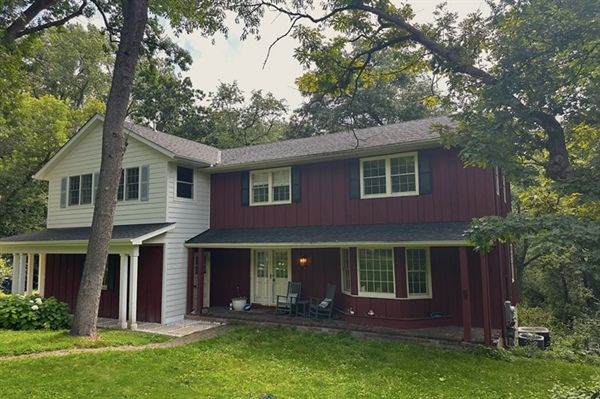
Building a custom home in Minnesota is one of the most exciting yet complex projects a homeowner can take on. From land selection to final inspections, each stage requires careful planning, coordination, and understanding of local regulations. Knowing what to expect ahead of time helps ensure that your dream home is completed on schedule and within budget, avoiding costly surprises along the way. Whether you're building in the Twin Cities or a nearby suburb, preparation and knowledge are key to a successful project.
This guide covers everything you should know before starting your custom home build, including critical factors that influence design, permitting, and timelines. We’ll explore how Minnesota’s zoning laws and building permits affect new construction, how site conditions can alter both costs and designs, and what to expect during every phase—from consultation to final inspection. You’ll also learn how to develop realistic construction timelines and why working with a trusted local builder such as Higgins Construction can make a major difference in the process. Each section provides detailed insights designed to help you make informed decisions and move forward with confidence in your home-building journey.
Understanding Permits and Zoning Regulations for New Builds in Minnesota
Before breaking ground, homeowners must understand Minnesota’s permitting and zoning requirements. Each city and county has unique zoning codes that regulate land use, setbacks, building height, and density. Obtaining the correct zoning classification ensures your property can legally support residential construction. In many municipalities, zoning reviews occur before a building permit is issued, and the application process may involve site plans, surveys, and environmental reviews.
Building permits are mandatory for all new home construction in Minnesota. They verify that the design meets state building codes, energy efficiency standards, and safety regulations. Applications are typically submitted through the local building department, and fees vary based on project size and valuation. Builders often need multiple permits, including plumbing, electrical, and mechanical, in addition to the main structural permit.
Understanding these requirements early can prevent significant delays. Consulting with your city’s planning department or working with experienced professionals such as Higgins Construction helps streamline the process. Compliance with these regulations ensures your build remains on schedule and aligns with state construction standards.
How Site Conditions Affect Design and Construction Costs
Site conditions play a major role in determining both the feasibility and cost of your new home build. Factors like soil stability, topography, drainage, and accessibility directly influence the foundation type, grading work, and material selection. For example, sandy or clay-heavy soils may require additional compaction or structural reinforcement to support the foundation safely.
Lot slope and elevation changes can also add complexity to the project. A steep site may require retaining walls or custom foundation work, while flat lots may need enhanced drainage systems to prevent future water intrusion. These variables can lead to cost fluctuations that must be considered during the design phase.
Environmental considerations—such as proximity to wetlands, tree preservation requirements, or floodplain restrictions—can impact both design and permit approval timelines. Conducting a detailed site analysis early helps anticipate these challenges, allowing your builder and architect to design efficiently and minimize unexpected expenses.
Steps Involved from Design Consultation to Final Inspection
Building a custom home follows a defined sequence, beginning with a design consultation and ending with final inspection and occupancy approval. During the consultation, architects and designers translate your ideas into conceptual plans that meet zoning and structural requirements. This phase involves site evaluations, budgeting, and early collaboration between the builder and client.
Once designs are approved, the permitting phase begins. This includes submitting construction documents, acquiring necessary permits, and confirming utility connections. The construction phase follows, encompassing foundation work, framing, roofing, mechanical installations, insulation, and interior finishes. Each stage undergoes specific inspections to ensure compliance with Minnesota Building Code standards.
The final inspection is the last step before you can move in. Inspectors verify that all systems—including electrical, plumbing, HVAC, and structural elements—are installed correctly and meet safety regulations. Only after receiving a certificate of occupancy can the home officially be considered complete. This structured process ensures accountability and consistent quality throughout the project.
Estimating Realistic Timelines for Custom Home Construction
Creating a realistic construction timeline is critical for managing expectations and budgeting. A typical custom home in Minnesota takes nine to fourteen months from design approval to completion, depending on the project’s complexity, size, and permitting requirements. Weather also plays a significant role, with colder months potentially delaying excavation, concrete pouring, and exterior finishing work.
The design and permitting stage often takes several months, as approvals and plan revisions can vary by jurisdiction. Once construction begins, factors such as supply chain delays, subcontractor scheduling, and inspection availability can influence progress. Builders use project management tools and milestone tracking to keep every phase on schedule.
Clear communication between the homeowner, builder, and contractors is essential. Frequent site meetings and progress reports help address potential issues early, reducing the risk of costly extensions. Working with a reputable Minnesota builder experienced in local conditions ensures more accurate projections and smoother workflow coordination.
The Benefits of Hiring a Local Minnesota Home Builder like Higgins Construction
Partnering with a local builder offers several advantages that extend beyond convenience. Local builders understand Minnesota’s building codes, weather conditions, and permitting systems, which can significantly streamline project management. Their familiarity with regional subcontractors and suppliers helps ensure quality workmanship and reliable scheduling.
Builders rooted in the community are invested in maintaining their reputation, driving them to deliver superior service and craftsmanship. They often have established relationships with city inspectors and planning officials, helping resolve potential roadblocks efficiently. This experience minimizes delays and improves project predictability.
Hiring Higgins Construction means working with a team that understands local soil types, weather variations, and design trends specific to Minnesota. Their hands-on approach, combined with decades of regional expertise, results in homes built for long-term durability and comfort—tailored precisely to the needs of Minnesota homeowners.
Why Choose Higgins Construction for Your Custom Home Project
When you’re ready to begin your home-building journey, partnering with a trusted local company makes the difference between a smooth process and an overwhelming one. Higgins Construction offers comprehensive services covering every phase of residential construction—from design and permitting through final inspection. With years of experience building homes throughout Minnesota, they bring the precision and reliability that every homeowner deserves.
Located in Hopkins and serving the Twin Cities, Higgins Construction provides direct communication and personal attention to each project. Whether your focus is energy efficiency, modern design, or maximizing your lot’s potential, their experienced team manages the process from start to finish. Call 612-991-9151 or contact us to schedule a consultation and start planning your custom home today.